DAPSFIT
About DAPSFIT
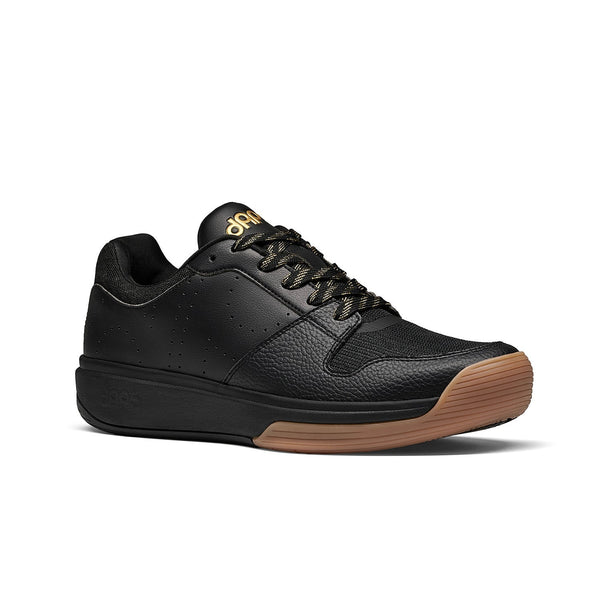
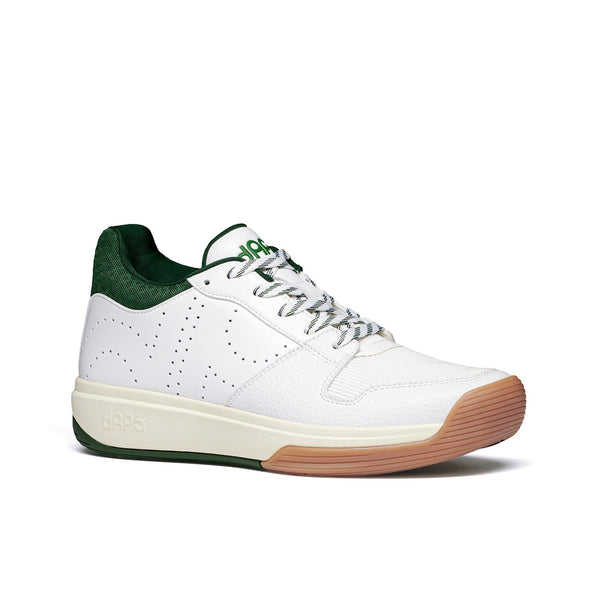
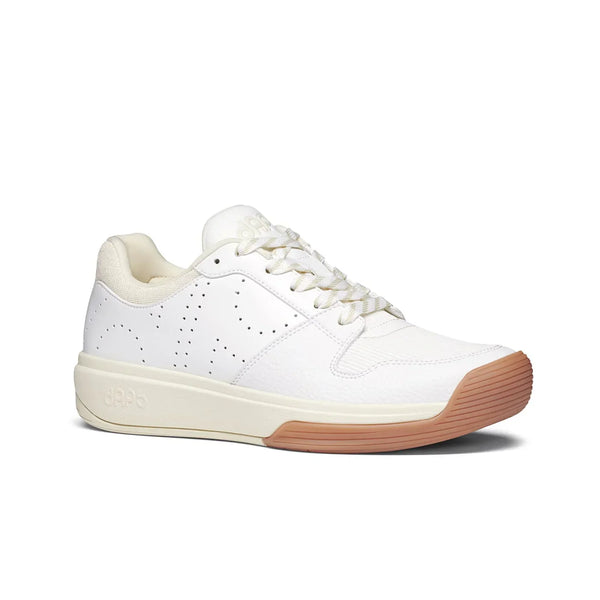
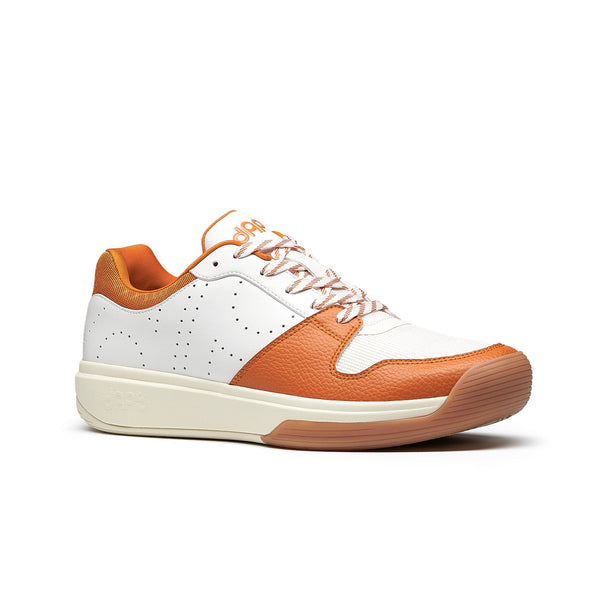
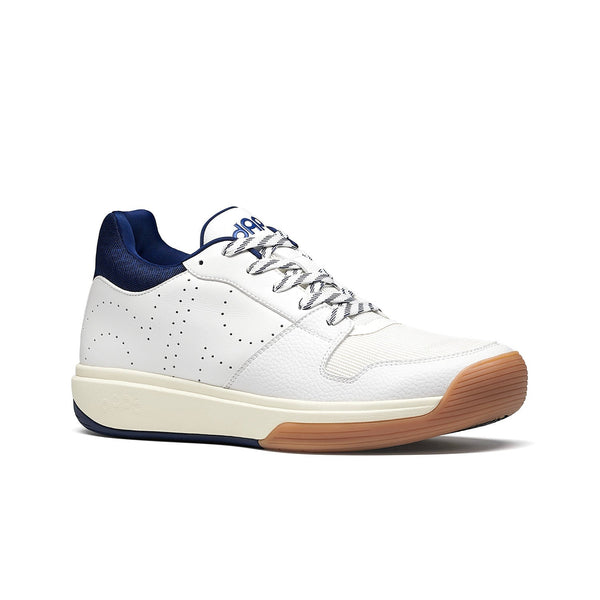
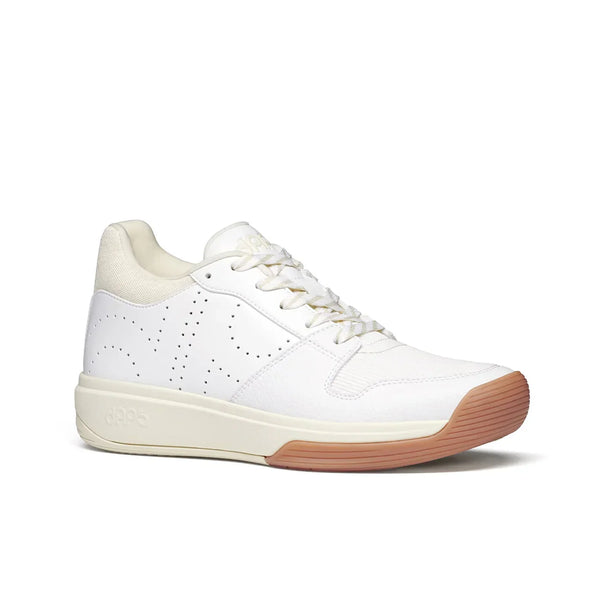
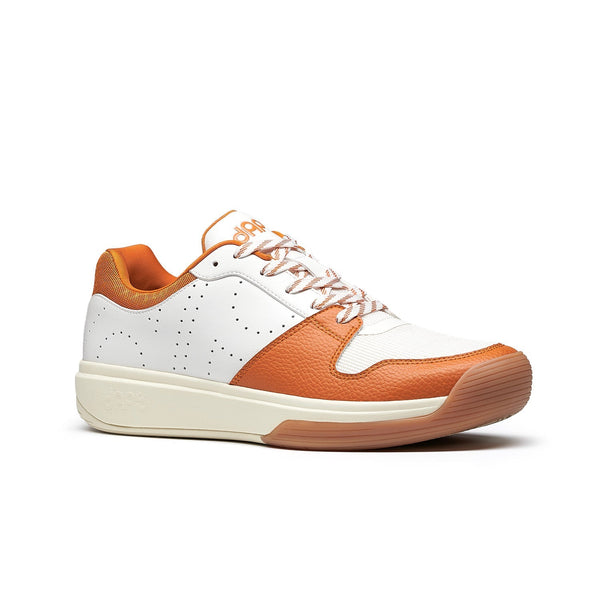
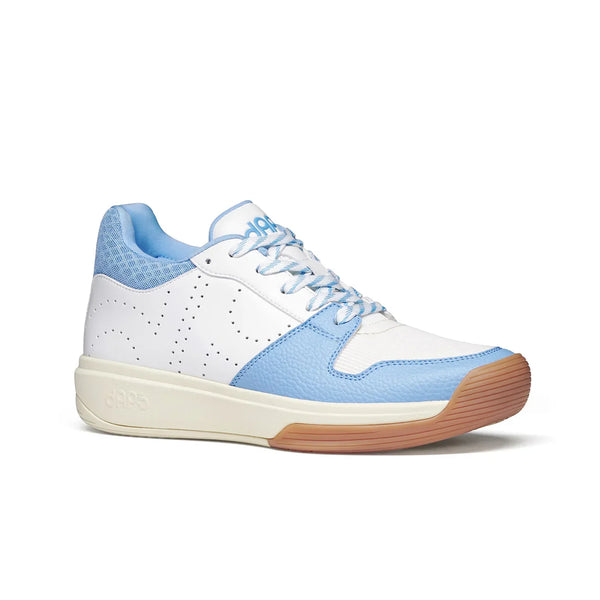
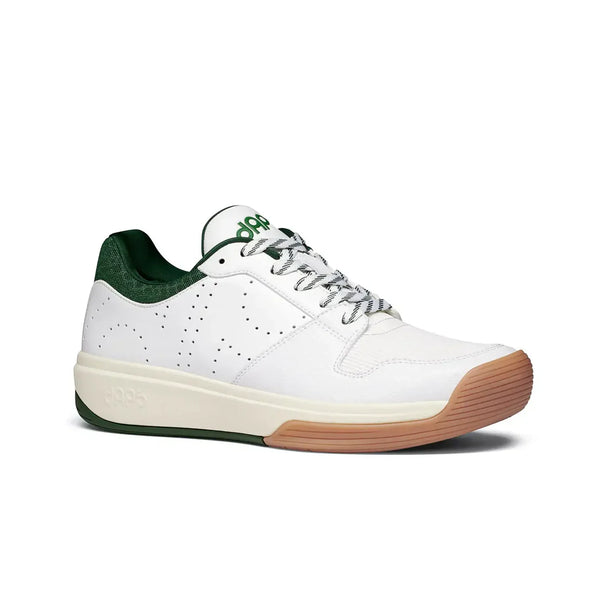
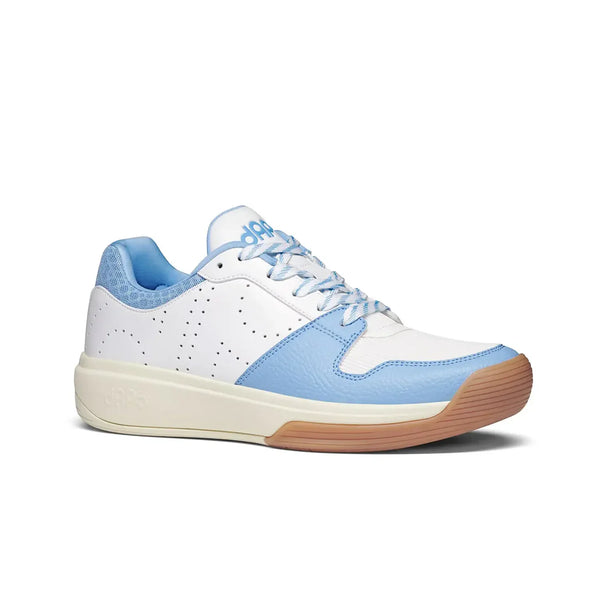
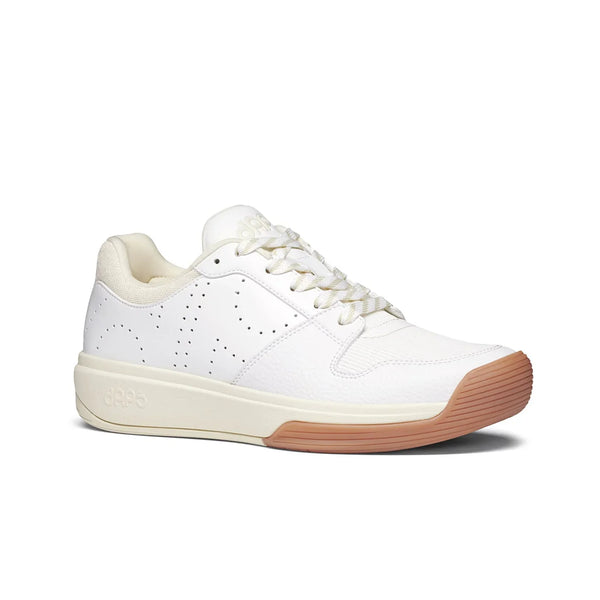
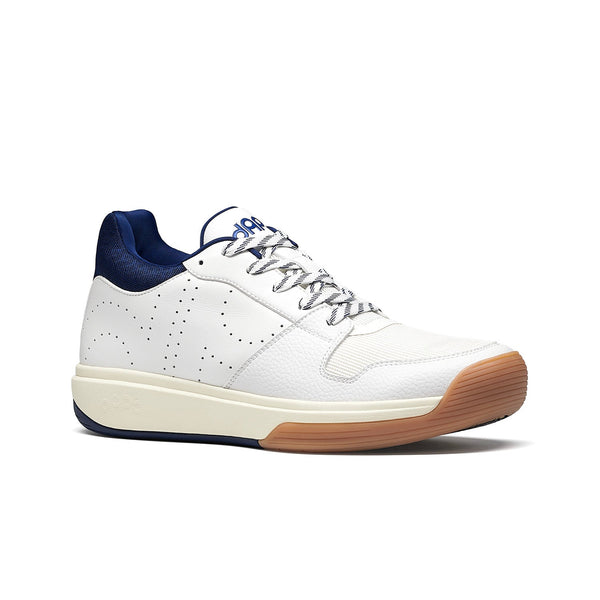
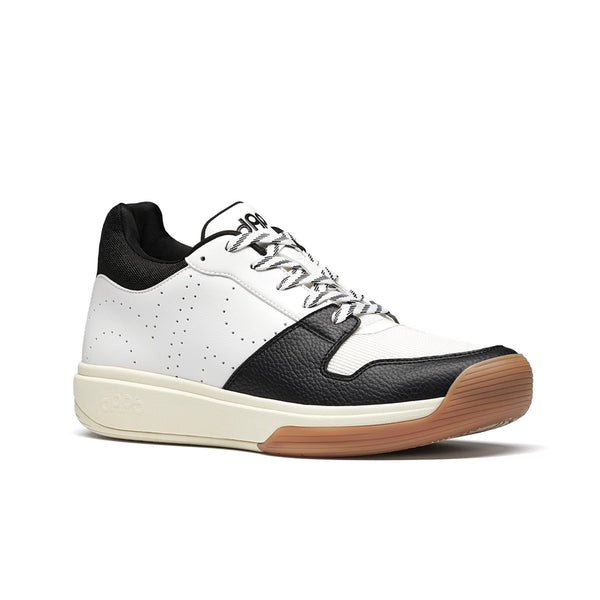
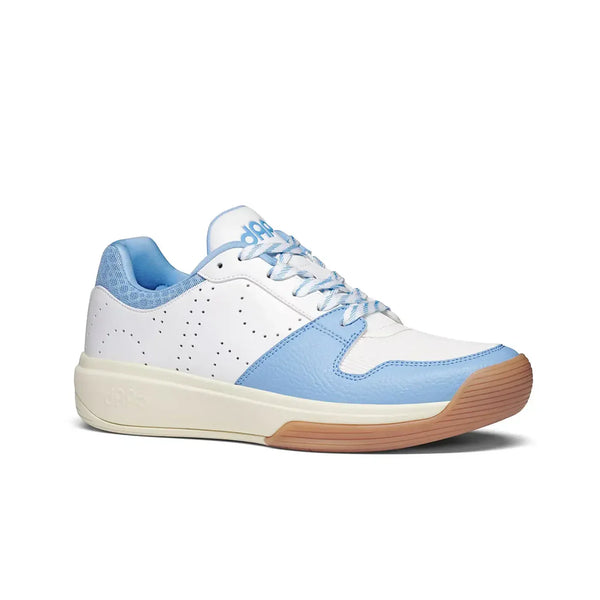
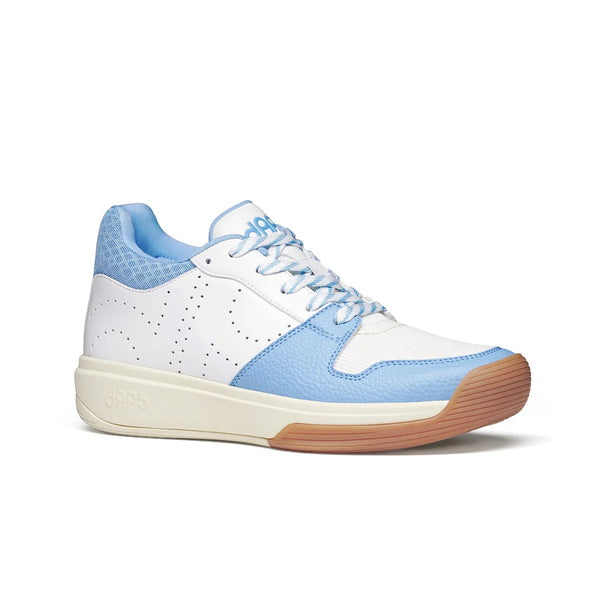
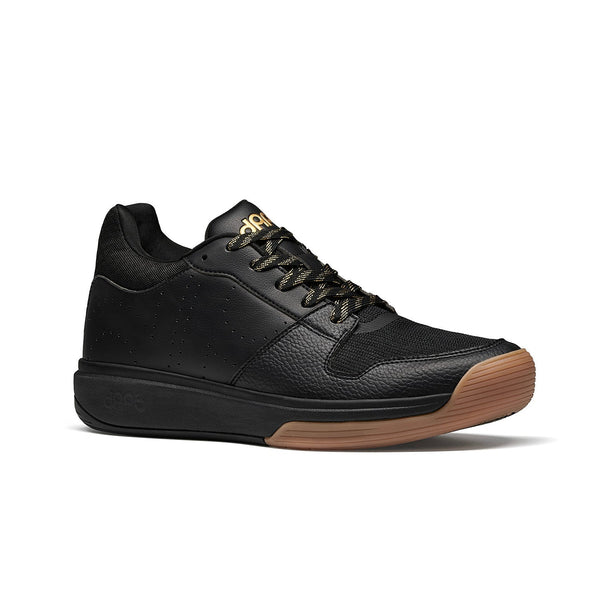
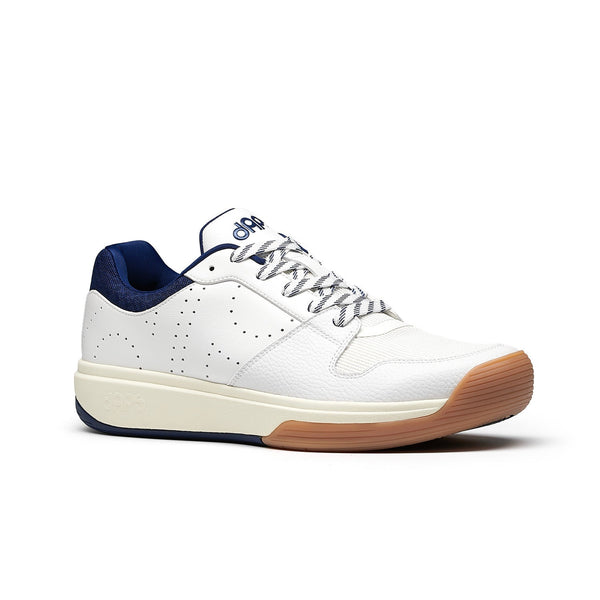
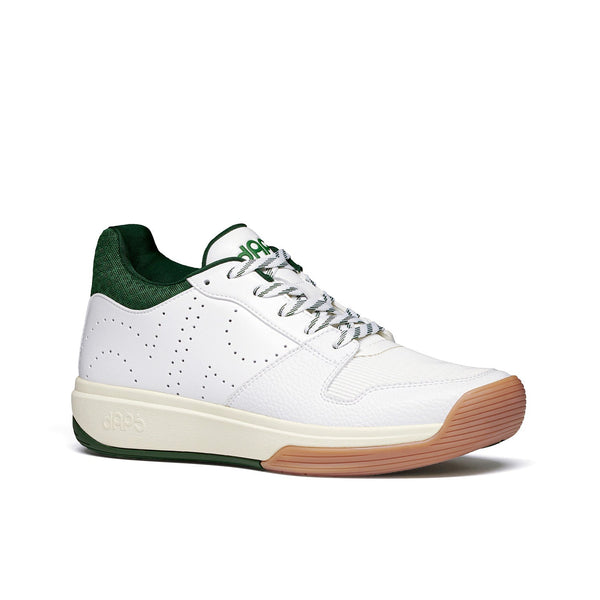
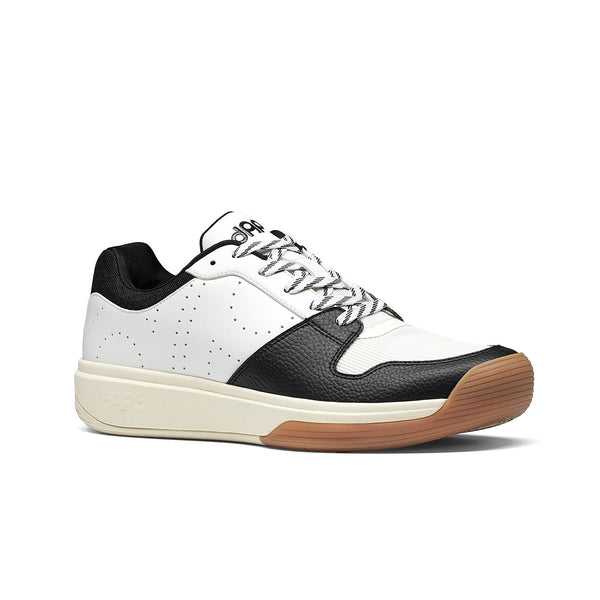
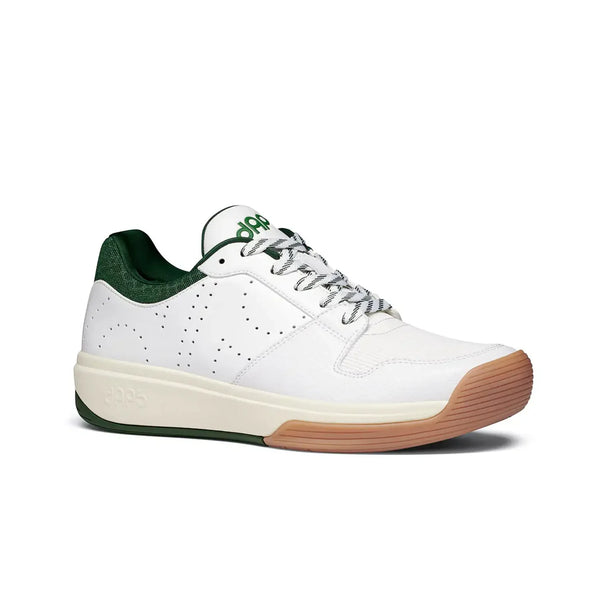
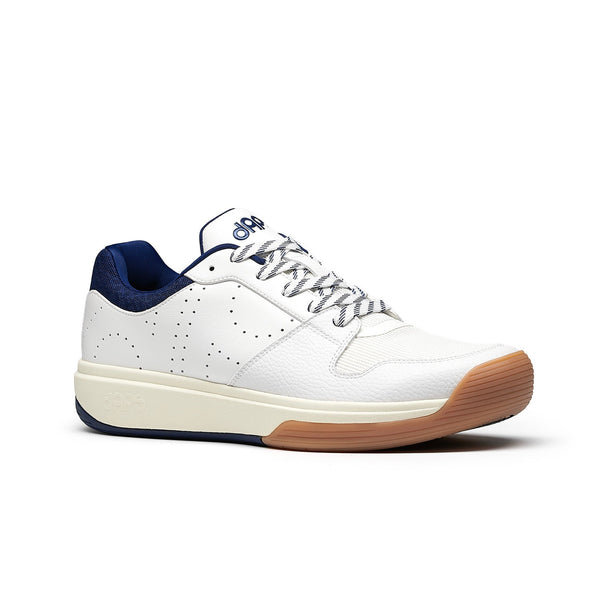
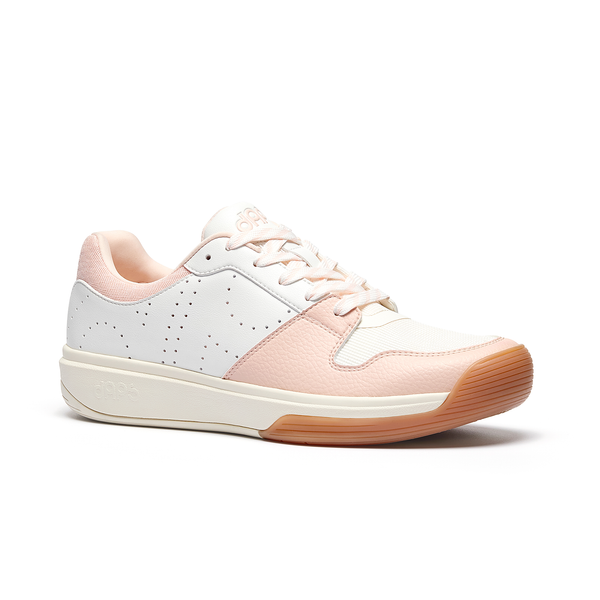
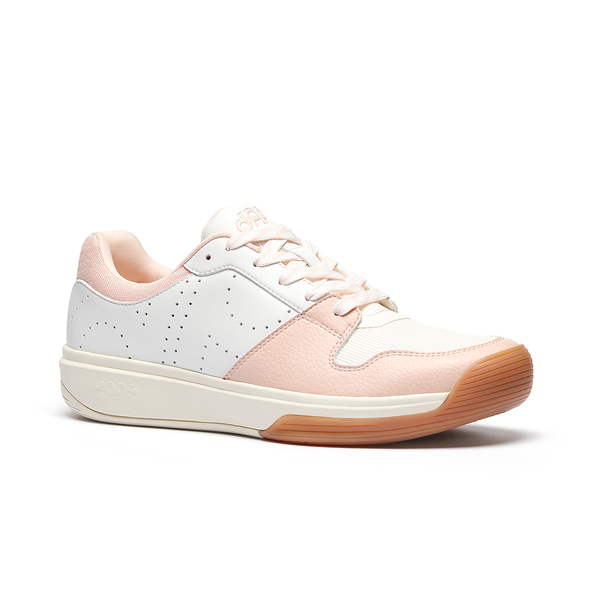
DAPSFIT builds pickleball shoes and nothing else. No tennis last borrowed and rebadged, no running shoe with a flatter outsole. The Desi is the shoe the brand was started to make.
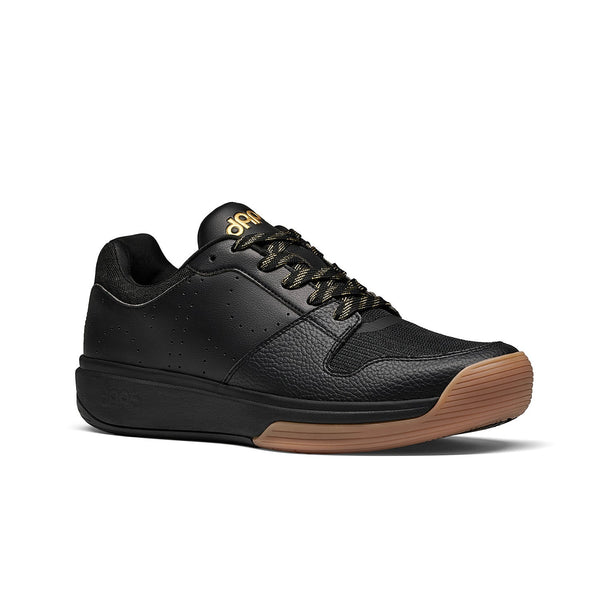
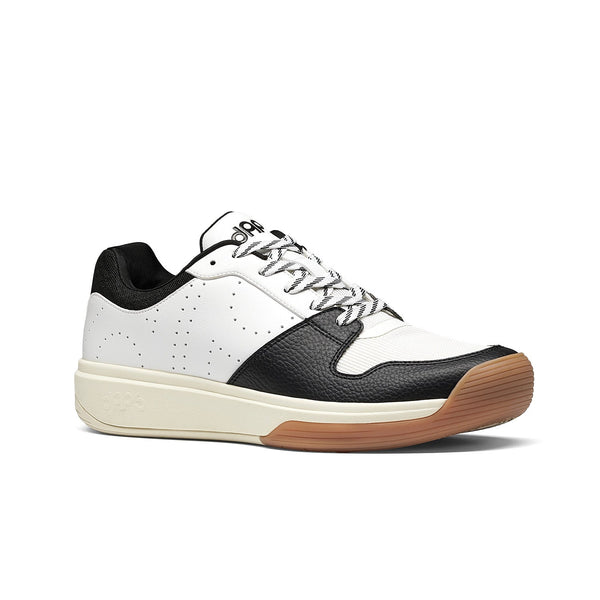
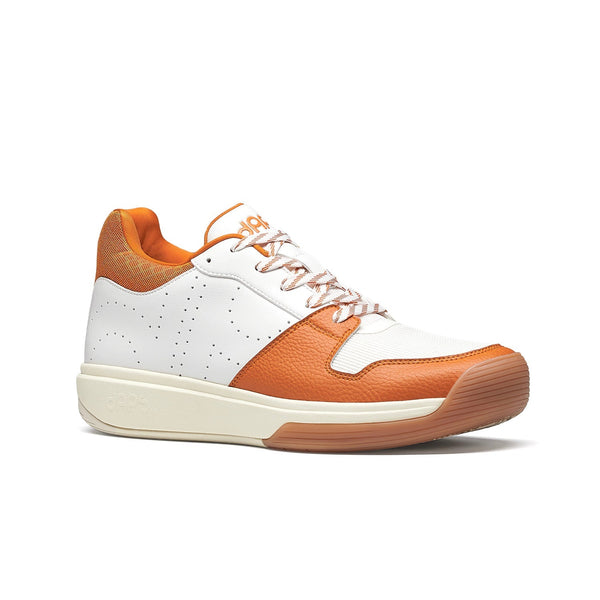
The company comes out of four generations of footwear manufacturing, which shows up in the parts you do not see. The Desi Mid came first and set the template. The Desi Low followed for players who want the same platform with less collar.
What is actually in the shoe
An ETPU midsole, the same expanded-pellet foam class used in high-rebound running plates, tuned here for energy return under a short, hard push rather than a long stride. A Blumaka NonSlip insole, which is a named third-party insole rather than a generic sockliner, so your foot is not sliding on the footbed while the outsole does its job. A breathable upper that stays cool deep into a session. On the Low, a herringbone outsole. On the Mid, a reinforced rubber outsole plus an ankle-supporting collar.
Why the court pattern matters
Pickleball punishes shoes in one specific way: a few hundred short lateral pushes and hard stops inside a small box, on a surface that is usually concrete under acrylic. That loads the outsole edge and the upper sidewall, not the forefoot flex point a running shoe is built around. Herringbone is the pattern that bites on a lateral stop and releases on the recovery, which is why court sports keep coming back to it.
Low or Mid
The Low is the faster-feeling shoe. Lower collar, quicker in and out of a split step, better if you like to feel the court. The Mid adds collar height and ankle support, which is the choice if you roll an ankle easily, if you play a lot of singles, or if you cover more ground than the player next to you. Same midsole and insole in both.
Women's is a separate shoe, not a smaller one
DAPSFIT builds the women's Desi on its own last rather than scaling the men's down. That is the difference between a shoe that fits and a shoe that is the right length. Women's runs 5.5 to 11, men's runs 7 to 16.
PS. Gear Desk
If you are playing pickleball in running shoes, this is the single upgrade with the biggest gap between what you are on and what you should be on, and it is not close. Running shoes are built to flex forward and to be soft on the outside edge. Both of those are exactly wrong for a lateral stop, and a rolled ankle costs more than a pair of shoes. Start with the Low if you are quick and light on your feet, the Mid if you are not, and buy the size you wear in a court shoe rather than the size you wear in a trainer.